

What Does Trademark Mean?
A trademark is a form of legal defense for the identity of your brand, …
- Brand name
- Logo
- Slogan or tagline
- Symbol or design
- Sometimes even particular packaging or brand colors
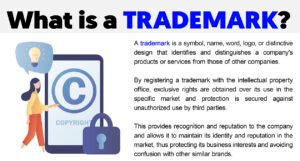
A trademark facilitates your customers brand recognition and at the…
Example of a Trademark:
If you are a private label seller of a product called “EcoLean Bottle”, a…
Why Trademark Is Important to E-commerce:
Trademarks are extremely valuable to online sellers because they are a…
- Protect your brand name from hijackers
- Prevent copycat listings on Amazon
- Increase brand trust and credibility
- Enable Amazon Brand Registry
- Add resale value to your business
Trademark is your permission to use the brand name, without it, anyone…
Types of Trademarks:
This type of trademark solely shields the words, like the name of a brand without any specific font or design.
Word Mark:
Example: Nike
Logo Mark:
This type of trademark is meant to protect a logo or a symbol.
Example: Nike swoosh
Slogan Mark:
Used to protect a phrase or a tagline.
Example: Just Do It
Composite Mark:
Used to protect a combination of brand name and the logo.
Trademark Registration Process (Basic Overview):
Trademark Search Verify if the brand name is already registered
Application Filing Submit the brand and category details to the
Examination The trademark office scrutinizes the application 
Publication It is possible for the public to raise an objection
Registration Certificate It will be given if there is no objection
The procedure can last from 6 to 18 months according to the country.
Trademark and Amazon Sellers:
For an Amazon seller, a trademark is the first step to gain:
- , Access to Amazon Brand Registry
- , The removal of counterfeit sellers and hijackers
- , The hand on product detail pages
- , Sponsored Brand Ads
- , Protection of A+ Content
Amazon provides more power and control to the brands with trademark registration.
What Is a Patent?
Patents refer to legal rights that protect inventions or creations that are new and innovative. They give the inventor the sole authority to manufacture, use or sell their invention for a certain period only.
Patents work great for sellers who: 
Make original products Upgrade existing productsCome up with new features or designs.
Types of Patents:
1. Utility Patent:
It protects the product’s working and utility.
Example: A new locking mechanism
2. Design Patent:
It protects the visual part of the product or its design.
Example: A distinct bottle shape
3. Plant Patent:
It protects the newly bred plant species (very uncommon in e-commerce).
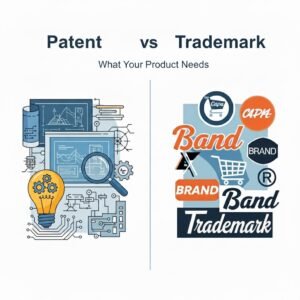
Patent vs Trademark (Key Differences)
| Feature | Trademark | Patent |
|---|---|---|
| Protects | Brand identity | Product invention |
| Duration | Renewable indefinitely | Usually 20 years |
| Cost | Lower | Higher |
| Usage | Names, logos, slogans | Functional ideas |
| Common in | Branding | Innovation |
A patent is an important:
tool to protect your invention from being copied by others.
Besides that, it serves as a key to:
Stop competitors from copying your product.
Maintain price control
Gain competitive advantage
License your invention for royalties
Increase business valuation
For private label sellers patents act as a strong fortress that prevent competitors to get in easily.
Patent Registration Process (Simplified):
- Idea Documentation
- Patent Search
- Provisional or Non, Provisional Filing
- Patent ExaminationApproval or Rejection
- The process and procedure of a patent approval might take 2, 4 years, subject to its complexity.
Do Amazon Sellers Need a Patent?
Only those sellers who have patents should have patents. If any of the following situations is true, then a patent is necessary:
Your product has a unique functionYou invented or modified the productIt’s a product that can be easily copied by competitorsYou are going to do brand building in the long runFor regular wholesale or generic private label products in most cases having trademarks is
Common Mistakes Sellers Make:
Unveiling your product without registering a trademark
- Branding with a copied name
- Taking Alibaba patent free statements at face value
- Disregarding IP infringement letters
- Patenting without advice from a professional
These errors might end up with your listing getting suspended or you facing legal actions.
Trademark vs Patent: Which One Should You Choose?
Go for Trademark if you are planning to protect your brand name and logo
Pick Patent if you are going to safeguard a totally new product concept
Big, serious brands frequently rely on both
Summary:
Trademarks and patents are much more than mere legal requirementsthey represent business assets.
For e, commerce entrepreneurs, particularly those selling on Amazon, having a trademark is almost a necessity in order to safeguard the brand. Patents, however, offer a great advantage for those who come up with new ideas and want to be the leader of a niche.
In case you are aiming at establishing a long, lasting, sellable, and scalable e, commerce brand, getting the right hold of and applying trademarks and patents properly is a must.
COUNTRY-WISE COMPARISON (PATENT)
| Feature | Pakistan | USA | UK |
|---|---|---|---|
| Patent Strength | Medium | Very Strong | Strong |
| Cost | Low | High | Medium |
| Enforcement | Moderate | Very Strong | Strong |
| Seller Usage | Low | High | Medium |
Which Country Should You Choose?
For Trademark
-
USA → Best for global Amazon brands
-
UK → Fast & cost-effective
-
Pakistan → Good for local protection
For Patent
-
USA → Best enforcement & resale value
-
UK → Strong European protection
-
Pakistan → Limited but useful locally
-
trademark registration Pakistan
-
trademark registration USA
-
trademark registration UK
-
patent filing USA
-
intellectual property ecommerce
-
trademark for Amazon sellers in Pakistan
-
how to register trademark in USA for ecommerce
-
UK trademark for online business
-
patent protection for Amazon private label
-
difference between trademark and patent by country
-
Start with USA or UK trademark
-
Expand via Madrid Protocol
-
Use design patents for product protection