
Product hunting is essentially the starting point of an Amazon Private Label business.
Even with stellar branding, sourcing, or advertising skills, a bad product choice can still lead to losses, inventory that just sits there, and overall disappointment. Conversely, a smart product choice can actually become the basis for a sustainable and scalable e, commerce business over time. This comprehensive guide walks you through private label product hunting on Amazon step, by, step, using tried and tested criteria, tools, and strategies from the real world.
What Does Product Hunting Mean in Amazon Private Label?
Finding success in product hunting means identifying profitable products that already have a demand on Amazon but still have enough room for a new seller to enter the market with a better version.
With a private label, you:
Identify a winning product Get it made at a factory Put your own label on it Enhance quality, packaging, or add new features Resell it under your own brand on Amazon Product hunting is the process that leads to the essential question: Is this product worth selling?
Why Product Hunting Is So Important?
Many beginners fail just because they skip the part of doing a proper research. Product hunting allows you to: Stay away from saturated and risky markets Make sure customer demand is consistent Figure out the profit margins before investing Lower the chances of Amazon suspensions Create a brand instead of gambling Simply put: Product hunting is a way to reduce risk and increase profitability.
Core Criteria for Amazon Private Label Product Hunting:
Any product selected must first pass the following criteria. 
1. Consistent Demand:
Demand is the core of any product. How to check demand:
- Check the Best Seller Rank (BSR)
- The first 10 listings should have steady sales
Do not choose products that are only in demand for certain seasons Perfect BSR range:
- BSR of the main category: 1, 000 50, 000 BSR of the
- subcategory: Less than 10, 000
Consistent demand is what guarantees sales every day, not sudden spikes.
2. Healthy Price RangeThe selling price should be in line with generating a profit:
Recommended price range:
$15 $50Why?
- Under $15: Fees consume your profitOver $50: Higher profits but slower salesAlways work out:
- Selling Price Amazon Fees Product Cost Shipping Ads = Net Profit
- Set the goal to a profit margin of 25%35% at least.
3. Low to Medium CompetitionCompetition determines how difficult it is to rank:
Stay away from products where:
The top listings have 5, 000+ reviewsBig brands dominate the nicheListings look very professionally donePerfect competition indicators:
The top 10 sellers have less than 1, 000 reviewsBad images or weak copyNo brand dominanceThat way, you have room to come in and compete.
4. Lightweight and Small Size:
Shipping and storing products cost money.
Best product features: Weight below 2 lbs Small or standard size Easy to pack Stay away from:
Fragile items Oversized products Electronics with certifications Lightweight products keep your profit margin safe.
5. No Legal or Policy Issues:
Some products are restricted on Amazon.
Avoid products that need:
FDA approval Medical certifications Brand authorization
Patents or trademarks Safe categories:
Home & Kitchen Beauty (non, medical) Pet Supplies Sports & Outdoors Office Products Always check Amazons Restricted Products List.
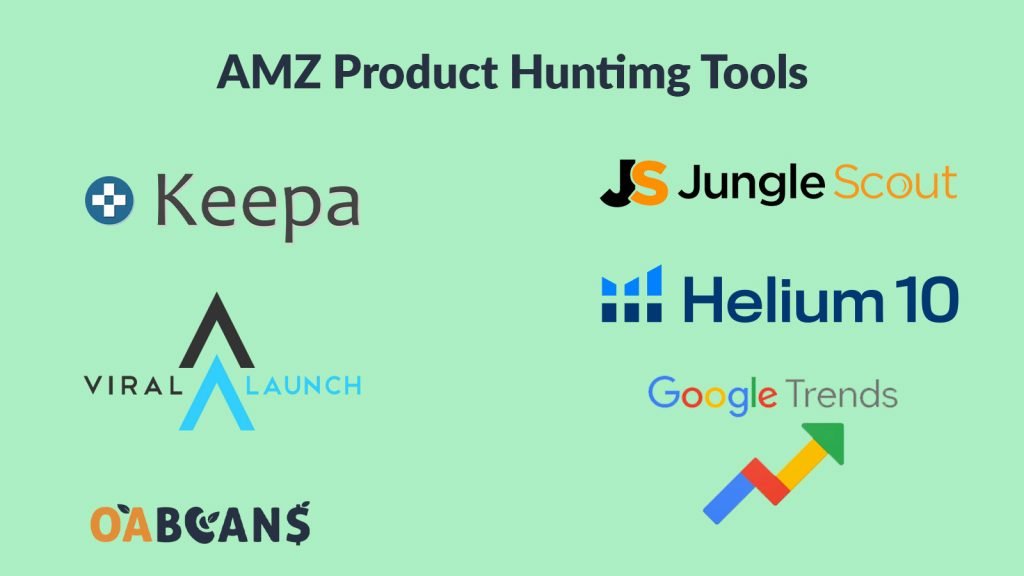
Tools Used for Amazon Product Hunting Professionals sellers do not hesitate to
Helium 10 :
A research tool for Amazon that is widely recognized. 
Some of the leading features :
- Black Box: Product discovery
- Xray: Sales estimation
- Cerebro: Keyword analysis
- Magnet: Search volume Helium 10 makes it possible for users to .
Jungle Scout :
A tool that is considered a great partner for private label sellers.
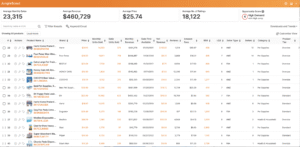
Most suitable for :
Product database research Sales and revenue estimates Opportunity score Supplier database A perfect tool for beginners who dream of having simple and clear data.
Amazon Itself (Free Method):
Doing manual research is . Ways : Amazon Best Sellers
Amazon search suggestions Customer reviews
Customers also bought section If Amazon is utilized in the right way, it is the biggest research tool.
How to Find Product Improvement Opportunities:
- Typically, private, label products that have won are just .
- Scour through the review of the products :
- Complaints about quality Missing features Poor packaging Size or durability issues
Some examples :
Stronger material Extra accessories Better instructions Premium packaging This method, known as review mining, is very potent.
Keyword Research for Product ValidationA product must have search traffic.
Steps:
- Find main keywordCheck monthly search volumeLook for multiple related keywordsGood sign:
- Main keyword: 5, 000+ searches/monthSeveral long, tail keywordsKeywords confirm real buyer intent.
- Mistakes to Avoid During Product HuntingMany beginners repeat these mistakes.
Avoid:
Choosing products emotionallyCopying saturated productsIgnoring profit calculationsSkipping trademark checksRushing without dataRemember: Patience beats speed in product research.
Final Validation Checklist Before SelectionBefore finalizing a product, confirm:
- Consistent demand
- Price between $15$50
- Low to medium competition
- Lightweight and non,
- fragileNo legal or policy issues
- Clear improvement opportunity
- If a product checks most boxes, it is worth testing.
Final Thoughts :
Finding winning products in Amazon Private Label is not a matter of luck; it is a skill developed through data, discipline, and practice. When you get it right, it is your most powerful competitive advantage. Newbies should not aim for perfection but rather for a calculated risk through intelligent research. Take the first step with one product, get to know the process, and expand your business slowly. We at EcomLearner are convinced that the right knowledge is the key to making beginners profitable sellers. If you first master product hunting, then completing the Amazon journey will not be a big deal.
• amazon private label product hunting
• how to find winning products on amazon
• amazon product research for private label
• private label product hunting step by step
• amazon fba product hunting criteria
• low competition amazon private label products
• amazon product hunting tools
• how to validate amazon private label products
• amazon product research for beginners
• best products for amazon private label 2026